Blog

  • Top Places to Visit in Australia for an Unforgettable Trip

    Top Places to Visit in Australia for an Unforgettable Trip

    Australia is one of those destinations that stays with you long after you’ve left. With its stunning beaches, vibrant cities, wildlife-rich national parks, and unique cultural experiences, the country offers something for every kind of traveller. Whether you’re an adventure seeker, a nature lover, a foodie, or someone who just wants a peaceful escape, there are countless places to visit in Australia that deserve a spot on your travel list.

    In this blog, let’s take a deep dive into some of the most spectacular destinations across the country—each offering its own charm, beauty, and once-in-a-lifetime moments.


    1. Sydney – A Perfect Blend of City Life & Seaside Charm

    When people think about places to visit in Australia, Sydney almost always tops the list. And for good reason. The city’s skyline—highlighted by the iconic Sydney Opera House and Harbour Bridge—is a sight that feels straight out of a postcard.

    What to do in Sydney:

    • Take a walk along Circular Quay and soak in harbour views
    • Relax at Bondi Beach or take the scenic Bondi to Coogee coastal walk
    • Enjoy shopping and cafes at The Rocks
    • Visit Taronga Zoo for wildlife encounters with a harbour backdrop

    Whether you love big-city buzz or quiet beach mornings, Sydney is the perfect introduction to Australia.


    2. Melbourne – The Cultural Capital of Australia

    Melbourne is all about creativity, food, coffee, and hidden laneways. It is one of the best places to visit in Australia for art enthusiasts, sports lovers, and café hoppers.

    Why Melbourne stands out:

    • Explore its quirky street art lanes like Hosier Lane
    • Sip some of the world’s best coffee in Fitzroy or Carlton
    • Attend world-famous events like the Australian Open
    • Take a day trip to the Great Ocean Road, home to the Twelve Apostles
    • Visit the Queen Victoria Market for food, fashion, and fun

    Melbourne has a charm that grows on you with every day you spend there.


    3. Great Barrier Reef – A World Wonder Beneath the Sea

    No list of the top places to visit in Australia is complete without the Great Barrier Reef. As one of the seven natural wonders of the world, this underwater paradise is breathtaking in every sense.

    Top experiences at the Great Barrier Reef:

    • Snorkelling or scuba diving among colourful corals
    • Glass-bottom boat tours for non-swimmers
    • Helicopter rides for stunning aerial views
    • Swimming with turtles, rays, and vibrant marine species

    If you love the ocean or want an experience you’ll never forget, this destination should be your top priority.


    4. Gold Coast – Beaches, Theme Parks & Nightlife

    The Gold Coast is where fun never stops. With long sandy beaches, thrilling adventure parks, and buzzing nightlife, it is one of the most exciting places to visit in Australia for families, friends, and solo travellers.

    Things to enjoy on the Gold Coast:

    • Relax at Surfers Paradise Beach
    • Experience adrenaline at Dreamworld, Movie World, and Sea World
    • Go hiking at Springbrook National Park
    • Try surfing or enjoy beachside brunches

    The Gold Coast perfectly balances relaxation and adventure.


    5. Perth – A Peaceful City with Stunning Natural Beauty

    Perth is often overlooked but is truly a gem. Known for its laid-back lifestyle and scenic surroundings, it’s one of the best places to visit in Australia for travellers who love a mix of tranquillity and urban charm.

    What to explore in Perth:

    • Spend time at Cottesloe Beach
    • Visit Rottnest Island and take a picture with the adorable quokkas
    • Explore Kings Park, one of the largest inner-city parks in the world
    • Enjoy the nightlife and food scene in Northbridge

    Perth is perfect for those seeking quiet, calm, and nature.


    6. Tasmania – Raw, Untouched, and Absolutely Beautiful

    If you want to escape into nature, Tasmania is one of the most magical places to visit in Australia. Its rugged landscapes, pristine beaches, and wilderness areas feel like stepping into another world.

    Highlights of Tasmania:

    • Discover the dramatic scenery of Freycinet National Park
    • Explore Cradle Mountain
    • Visit the artistic and quirky MONA Museum
    • Wander through historic towns like Richmond

    Tasmania is all about slow travel, fresh air, and natural beauty.


    7. Brisbane – A Sunshine-Filled City with Urban Comforts

    Brisbane has become a favourite among travellers for its warm weather, riverfront lifestyle, and access to some of the best natural attractions in Queensland.

    Top activities in Brisbane:

    • Walk or cycle along the Brisbane River
    • Explore South Bank, filled with restaurants, parks, and cultural spots
    • Visit the Lone Pine Koala Sanctuary
    • Take day trips to Moreton Island or Sunshine Coast

    It’s one of the most welcoming and enjoyable places to visit in Australia for all age groups.


    8. Cairns – Adventure Capital of Queensland

    If adventure is on your list, Cairns will not disappoint. It’s the gateway to the Great Barrier Reef and the Daintree Rainforest, offering a perfect mix of nature and thrill.

    Top things to do in Cairns:

    • Skyrail Rainforest Cableway
    • Kuranda Scenic Railway
    • Reef and rainforest tours
    • Waterfalls, natural pools, and local markets

    Cairns is a paradise for adventure seekers and nature lovers.


    9. Uluru – A Spiritual & Cultural Icon

    Deep in the heart of Australia lies Uluru, one of the most sacred landmarks for the Indigenous Anangu people. Its changing colours at sunrise and sunset make it one of the most mesmerising places to visit in Australia.

    Must-experience moments at Uluru:

    • Walk around the base of the rock
    • Learn Indigenous stories and traditions
    • Witness the magic of the Field of Light installation
    • Visit nearby Kata Tjuta

    Uluru is not just a destination—it’s an experience filled with culture, spirituality, and natural wonder.


    Final Thoughts

    Australia is a country that surprises you at every corner. With its mix of modern cities, breathtaking landscapes, rich culture, and wildlife experiences, it offers some of the most incredible travel moments you’ll ever have. Whether you’re planning a long vacation or a short getaway, these top places to visit in Australia will help you make the most of your journey.

    From the buzzing streets of Sydney to the peaceful shores of Perth, from the underwater world of the Great Barrier Reef to the red desert of Uluru—you’ll find beauty, adventure, and unforgettable memories waiting everywhere.

    If Australia is on your travel bucket list, now is the perfect time to start planning!

  • Conquer the World’s Mightiest 10 Mountains

    Conquer the World’s Mightiest 10 Mountains

    There’s something magnetic about mountains. They rise above the clouds, standing as symbols of endurance, strength, and mystery. For some, mountains are simply breathtaking backdrops. For others, they represent the ultimate challenge — a chance to test one’s limits against nature’s greatest forces.

    If you’ve ever dreamt of scaling the highest peaks or simply want to admire them from afar, this list of the world’s mightiest 10 mountains will inspire you to look higher, dream bigger, and maybe even start planning your next adventure.

    1. Mount Everest (8,848 m) – Nepal/China

    Known as the roof of the world, Mount Everest is the highest mountain on Earth. Straddling the border between Nepal and Tibet, it’s called “Sagarmatha” in Nepali and “Chomolungma” in Tibetan — both names honoring it as a goddess of the sky.

    Climbing Everest is a monumental feat. The altitude, extreme cold, and unpredictable weather test even the most experienced mountaineers. Still, thousands attempt it each year, chasing the ultimate dream of standing atop the world’s highest point.

    2. K2 (8,611 m) – Pakistan/China

    If Everest is the tallest, K2 is the toughest. Nicknamed the Savage Mountain, K2 is infamous for its steep slopes and deadly conditions. Located in the Karakoram Range, it remains one of the most dangerous peaks to climb.

    Only the bravest and most skilled mountaineers dare to attempt K2. Those who reach its summit are not just climbers — they’re legends.

    3. Kangchenjunga (8,586 m) – Nepal/India

    The third-highest mountain in the world, Kangchenjunga, is revered as sacred by locals in Sikkim and Darjeeling. Its name means “Five Treasures of the Great Snow” — representing gold, silver, gems, grain, and holy scriptures.

    Wrapped in swirling clouds and surrounded by glaciers, Kangchenjunga offers stunning views but treacherous climbs. It’s one of the least climbed 8,000-meter peaks, preserving its untouched beauty and spiritual aura.

    4. Lhotse (8,516 m) – Nepal/China

    Standing beside Everest is Lhotse, the fourth-highest mountain on Earth. Many climbers encounter Lhotse while on their way to Everest’s summit, as they share much of the same route.

    But Lhotse is a beast of its own. The famous Lhotse Face, a steep wall of ice, presents one of the most technically challenging ascents in the Himalayas. Those who make it to the top are rewarded with panoramic Himalayan views that few ever witness.

    5. Makalu (8,485 m) – Nepal/China

    Shaped like a perfect pyramid, Makalu is both elegant and intimidating. It’s renowned for its razor-sharp ridges and steep climbs, making it one of the most difficult 8,000-meter peaks to conquer.

    Located just 19 kilometers southeast of Everest, Makalu’s summit offers breathtaking views of neighboring peaks. Climbers who take it on often describe the experience as humbling — a true test of will and endurance.

    6. Cho Oyu (8,188 m) – Nepal/China

    Known as the Turquoise Goddess, Cho Oyu is the sixth-highest mountain in the world and often considered one of the more “approachable” 8,000ers.

    While it’s less technical than others, the extreme altitude and sudden weather changes still pose serious risks. Cho Oyu’s summit, overlooking both the Tibetan Plateau and Mount Everest, is a serene and stunning reward for those who make the climb.

    7. Dhaulagiri (8,167 m) – Nepal

    Translating to “White Mountain,” Dhaulagiri stands out with its sheer height and dramatic rise above the surrounding landscape. Its snow-clad peaks shine brilliantly in the sun, creating a breathtaking view.

    However, the mountain’s beauty hides danger. Dhaulagiri is prone to avalanches and unpredictable storms, making it one of Nepal’s most formidable challenges for climbers.

    8. Manaslu (8,163 m) – Nepal

    Nicknamed the “Mountain of the Spirit,” Manaslu combines spiritual significance with stunning natural beauty. The surrounding region is home to the Manaslu Circuit — a trekking route famous for its serene trails and breathtaking scenery.

    For climbers, the ascent is demanding yet deeply rewarding. Standing atop Manaslu is said to feel like being suspended between earth and sky — a moment of pure peace amidst the chaos of the climb.

    9. Nanga Parbat (8,126 m) – Pakistan

    Translated as “Naked Mountain,” Nanga Parbat is both majestic and menacing. Known as the “Killer Mountain” due to its deadly history, it features one of the largest mountain faces on Earth — the Rupal Face.

    The climb is perilous, but those who brave its slopes are met with one of the most awe-inspiring panoramas in the world. It’s a mountain that demands respect — and repays courage with unmatched beauty.

    10. Annapurna I (8,091 m) – Nepal

    Last but certainly not least is Annapurna I, the tenth-highest peak in the world. While not as tall as Everest, it’s far deadlier — with one of the highest fatality rates among 8,000-meter peaks.

    Its name means “Goddess of the Harvests,” and the surrounding Annapurna region is a trekker’s paradise. The Annapurna Circuit offers a more approachable way to experience the majesty of this mighty mountain, winding through villages, valleys, and ancient trails.

    Final Thoughts: A Journey Above the Clouds

    Conquering these mighty mountains is about much more than reaching the top. It’s a journey of perseverance, preparation, and profound connection with nature. Each peak holds its own story — of triumph, tragedy, and human determination.

    Whether you’re an adventurer dreaming of your first expedition or simply an admirer of nature’s wonders, these ten mountains remind us of one truth: it’s not the height that defines greatness — it’s the climb itself.

  • 9 Things That We Wash Too Often, and 9 More That We Usually Forget About

    9 Things That We Wash Too Often, and 9 More That We Usually Forget About

    We all want to live in a clean, fresh-smelling home. But when it comes to laundry, most of us are either washing things far too often or completely forgetting about items that really need attention. Overwashing can fade colors, shrink fabrics, and waste energy, while neglecting certain household items can lead to hidden germs and unpleasant odors.

    It’s all about finding the right balance. Here’s a breakdown of what we tend to wash too often—and what we should be washing more regularly.

    1. Jeans vs. Leggings

    Let’s start with a wardrobe staple: jeans. Many people toss them into the wash after every wear, but denim actually benefits from fewer washes. Overwashing causes the fabric to fade, lose its shape, and wear out faster. Ideally, jeans should be washed every 5–6 wears, unless they’re visibly dirty.

    On the other hand, leggings are a completely different story. Since they sit snugly against your skin and absorb sweat and body oils, especially during workouts, they should be washed after every wear. Think of them like underwear—cleaning them regularly keeps them fresh and hygienic.

    2. Everyday Bras vs. Sports Bras

    Here’s another common laundry dilemma. Everyday bras can usually be worn 3–4 times before washing. Overwashing can stretch the elastic and weaken the fabric, so giving them a break between wears is better.

    Sports bras, however, should always be washed after every workout. The tight, moisture-wicking material traps sweat and bacteria, which can cause skin irritation or odor if not cleaned properly. Remember to air dry all bras to help them keep their shape longer.

    3. Towels vs. Bath Mats

    We often overdo it with towels, washing them after every single use. If you’re hanging your towel to dry properly after each shower, you can safely reuse it 3–4 times before tossing it into the laundry basket. Overwashing just makes them rough and less absorbent.

    Bath mats, though, don’t get the same attention. They sit on the bathroom floor, soak up water, and trap bacteria. Ideally, they should be washed once a week, or even more often in humid climates where mold can grow quickly.

    4. Winter Hats vs. Caps

    During colder months, winter hats are worn daily—but rarely washed. These hats collect sweat, oil, and dandruff from your scalp, so they should be cleaned every 2–3 weeks. Hand washing with mild detergent works best to maintain their shape.

    Baseball caps, on the other hand, are often washed too frequently. Their brims can get damaged in the washer, so it’s best to spot-clean them or use a gentle hand wash only when they start looking grimy.

    5. Bedsheets vs. Pillowcases

    Most people remember to wash their bedsheets every week or two, which is great. But pillowcases deserve even more frequent attention. Since they come in direct contact with your face and hair, they can accumulate oil, bacteria, and dead skin cells.

    For healthy skin and better sleep hygiene, wash pillowcases every 2–3 days, and your sheets once a week. It’s a simple habit that can make a noticeable difference in cleanliness and comfort.

    6. Hairbrushes vs. Makeup Brushes

    When it comes to personal grooming, hairbrushes and makeup brushes are two items we often forget about. Hairbrushes collect oils, dust, and leftover product, so they should be cleaned every two weeks. Remove trapped hair, soak the brush in warm soapy water, and let it air dry.

    For makeup brushes, frequency depends on use. Brushes used for foundation or concealer should be cleaned weekly, while powder brushes can be washed every two weeks. This keeps your makeup looking flawless and your skin breakout-free.

    7. Sneakers vs. Slippers

    Sneakers often end up in the washing machine more than they should. Too much washing can weaken the glue and damage the structure. Instead, try wiping them down with a damp cloth and airing them out. Wash them only when absolutely necessary.

    Slippers, however, are easy to forget. They absorb sweat and collect dirt from the floor, yet most people never clean them. To keep them fresh, wash or hand-clean slippers once a month—especially if you wear them daily.

    8. Jackets vs. Scarves

    We tend to overwash jackets, especially those made of delicate or insulated materials. Washing them too often can ruin waterproof coatings and flatten insulation. A seasonal clean (once or twice a season) is usually enough unless they’re visibly dirty.

    Scarves, though, are often ignored. Since they sit close to your mouth and face, they collect oils, perfume, and even bacteria from coughs or sneezes. It’s a good idea to wash them every few wears, particularly during cold and flu season.

    9. Curtains vs. Cushion Covers

    When was the last time you washed your curtains? If you can’t remember, you’re not alone. Curtains trap dust, odors, and allergens, so they should be washed every 3–6 months, depending on where you live and how much pollution or pollen is in the air.

    Cushion covers, however, often get washed more than needed. Unless you have pets or frequent spills, once a month is enough to keep them looking and smelling fresh.

    The Bottom Line

    Keeping things clean doesn’t mean washing them every day. The trick is knowing what actually needs it and what can wait. Overwashing wastes water, energy, and time—and can ruin your favorite clothes and fabrics faster.

    So, here’s the cheat sheet:
    Wash less often: Jeans, jackets, caps, cushion covers, towels.
    Wash more often: Leggings, sports bras, pillowcases, bath mats, scarves.

    By rethinking your laundry habits, you’ll extend the life of your clothes, save on bills, and keep everything cleaner and fresher—without overdoing it. Because when it comes to washing, sometimes less is more.

  • This Product Has a Hidden Feature That Will Change Your Life

    This Product Has a Hidden Feature That Will Change Your Life

    Have you ever used a product for years, thinking you knew exactly what it was for, only to discover a hidden feature that completely changes how you see it? Sometimes, the most ordinary items around us have secret uses that make life so much easier — and we’ve been overlooking them all along.

    One such product is something you probably use every day. It’s small, simple, and sits quietly in your bathroom cabinet. But once you discover its secret, it might just change your kitchen routine forever.

    The Everyday Hero: Dental Floss

    Believe it or not, the humble dental floss is the star of this story. Most of us associate it with keeping our teeth clean and healthy. But hidden within its simple design lies a feature that has nothing to do with dental care — and everything to do with food.

    Yes, dental floss can actually help you cut soft foods like cheese or cake with perfect precision. It might sound odd at first, but once you try it, you’ll wonder how you ever managed without it.

    How This Hidden Feature Works

    Soft cheeses like Brie, Camembert, or goat cheese are delicious, but slicing them can be a real struggle. Knives tend to crush, stick, or smear the cheese, leaving behind a messy, uneven surface. That’s where dental floss comes in as a surprisingly effective alternative.

    The fine, sturdy thread glides through soft textures effortlessly, creating clean and neat slices without crushing the cheese. The result? Perfect portions every time — and not a sticky knife in sight.

    Here’s how you can try it yourself:

    1. Take a clean piece of unwaxed, flavorless dental floss.
    2. Slide it under the cheese where you want to cut.
    3. Hold both ends tightly and pull it smoothly through.
    4. Lift your slice and admire the flawless cut!

    This trick also works wonders for slicing soft desserts like cheesecake or butter-based bars. It’s simple, quick, and effective — the kind of small change that makes your everyday tasks so much easier.

    Why This Trick Is Life-Changing

    At first, it might seem like a tiny discovery. But small hacks like this can have a surprisingly big impact on your daily life. They save time, reduce frustration, and make ordinary moments feel a little more satisfying.

    Here’s why this hidden feature deserves your attention:

    1. It Makes Life Easier

    No more fighting with sticky knives or ruined cheese boards. A strand of dental floss gives you perfect slices every single time — no hassle, no mess.

    2. It Saves Money

    Instead of spending on fancy cheese slicers or dessert knives, you can use something you already have at home. It’s cost-effective and eco-friendly at the same time.

    3. It Encourages Creativity

    Once you realize that a product like dental floss can do more than its intended job, you start looking at the world differently. Suddenly, every object around you becomes a potential multitasker.

    Everyday Items With Hidden Features

    Dental floss isn’t the only everyday product with a secret. Many items we use daily have hidden functions designed to make life easier — we just don’t always notice them.

    Here are a few fun examples:

    • Aluminum foil boxes have small circles on the sides — push them in to hold the roll in place.
    • Soda can tabs can double as a straw holder when flipped around.
    • Toothpaste caps are often designed to keep tubes upright and prevent leaks.
    • Spaghetti spoons have a hole that measures exactly one serving of pasta.

    It’s amazing how many clever little design details go unnoticed until someone points them out. These small discoveries make you appreciate how thoughtfully everyday items are created.

    A Lesson in Perspective

    While this floss-and-cheese hack might seem small, it carries a powerful message: innovation isn’t always about creating something new. Sometimes, it’s about seeing the familiar in a new light.

    Learning to look for hidden features in everyday products helps you develop creativity and resourcefulness. It reminds you that solutions don’t always come from buying more — they often come from using what you already have, just a little differently.

    When you start thinking this way, you’ll be amazed at how many “hidden features” exist around you. Whether it’s a kitchen item, a tool, or even a digital app, there’s always more than meets the eye.

    Try It Yourself

    The next time you’re preparing a snack platter or serving dessert, give this trick a try. Use a piece of dental floss to slice through soft cheese or cake, and watch how effortlessly it works.

    You’ll get perfect slices, cleaner results, and a little spark of joy from discovering something clever and unexpected. It’s a small change that makes a big difference — and once you try it, you’ll never go back to doing it the old way.

    Final Thoughts

    Hidden features are all around us — tucked away in the most ordinary items we use every day. What makes this dental floss hack special isn’t just its practicality, but the mindset it inspires.

    It’s a reminder that life-changing doesn’t always mean big or complicated. Sometimes, it’s the small, smart ideas that make your day smoother and a little brighter.

    So, the next time you pick up an everyday product, take a second look. Ask yourself:
    “What else can this do?”

    You might just uncover a hidden feature that changes your life — one simple slice at a time.

  • What Are Your Favorite Wrestlers Doing Today?

    What Are Your Favorite Wrestlers Doing Today?

    If you grew up watching wrestling, chances are you still remember those larger-than-life superstars who dominated the ring. The roaring crowds, the electrifying entrances, and the unforgettable catchphrases — they defined an era. But have you ever wondered what those legendary wrestlers are doing now?

    Let’s take a trip down memory lane and catch up with some of wrestling’s most iconic names. Spoiler alert — while some have traded their boots for business suits, others continue to make headlines in surprising ways.

    Ric Flair – The Nature Boy Still Shines Bright

    “Woooo!” — even if you’ve never watched a match, you’ve heard that signature Ric Flair scream. Known as The Nature Boy, Flair’s career spanned over 40 years, and he’s still one of the most beloved figures in wrestling history.

    Though he retired from active competition, Flair has refused to fade into the background. In recent years, he’s made appearances with All Elite Wrestling (AEW), mentoring younger stars and bringing his classic charisma back to the spotlight.

    Outside the ring, Flair remains a brand of his own. He’s launched business ventures, from energy drinks to merchandise, and stays connected with fans through podcasts and social media.

    However, life hasn’t always been smooth for the legend. Flair has battled multiple health scares, including a serious heart issue and skin cancer. Despite it all, the 76-year-old icon continues to inspire fans with his resilience and trademark confidence.

    Ric Flair may not be body-slamming opponents anymore, but his legacy — and his “Wooo!” — are as strong as ever.

    Stone Cold Steve Austin – Raising Hell in a New Way

    There was a time when every Monday night belonged to Stone Cold Steve Austin. His rebellious attitude, beer-smashing entrances, and defiance of authority made him the face of WWE’s Attitude Era.

    Today, Austin has swapped the ring for the microphone. He hosts The Broken Skull Sessions on Peacock and YouTube, interviewing wrestlers and celebrities in his brutally honest, no-nonsense style. Fans love his laid-back personality and storytelling skills — proof that “Stone Cold” doesn’t need a ring to entertain.

    Away from the spotlight, Austin enjoys his Texas ranch life. He’s into outdoor adventures, hunting, and spending time with his dogs. He might be retired, but the Texas Rattlesnake still has that same fire that made him a legend.

    The Rock – From People’s Champion to Global Superstar

    Dwayne “The Rock” Johnson is the ultimate success story. From his early days as a charismatic WWE superstar to becoming one of Hollywood’s highest-paid actors, The Rock’s rise is nothing short of remarkable.

    He’s starred in global blockbusters like Fast & Furious, Jumanji, and Black Adam, and has built an empire outside of acting with his tequila brand Teremana and energy drink ZOA. He even co-owns a professional football league — the UFL.

    Despite his fame, The Rock has never forgotten his roots. He frequently references his WWE days, mentors up-and-coming wrestlers, and occasionally makes surprise appearances that send fans into a frenzy.

    From electrifying arenas to dominating the box office, The Rock proves that hard work and charisma can take you from the ring to the top of the world.

    Hulk Hogan – The Hulkster Still Runs Wild

    “Whatcha gonna do, brother, when Hulkamania runs wild on you?!” That line defined a generation. Hulk Hogan was the face of wrestling in the 1980s, inspiring millions with his superhero persona and unmatched popularity.

    Today, Hogan lives a quieter but equally fascinating life in Florida. He owns a beachside restaurant called Hogan’s Hangout, where fans often spot him hosting karaoke nights and meet-and-greets. He also appears at fan conventions, documentaries, and wrestling events, reflecting on his incredible journey.

    Though health issues and surgeries have slowed him down, Hogan remains one of wrestling’s most recognized faces. His charisma, optimism, and connection with fans prove that Hulkamania never truly dies — it just evolves.

    Macho Man Randy Savage – The Legend That Lives Forever

    Few wrestlers had the flair, voice, and style of Macho Man Randy Savage. His outrageous outfits, sunglasses, and booming voice made him one of the most unique and unforgettable performers in wrestling history.

    Sadly, Savage passed away in 2011, but his legacy lives on stronger than ever. His legendary matches — especially his epic bout against Ricky “The Dragon” Steamboat — are still celebrated by fans and wrestlers alike.

    He was inducted posthumously into the WWE Hall of Fame in 2015, ensuring that his name will forever be etched in wrestling history. Even years after his death, fans still quote his catchphrase — “Oooh yeah!” — as a tribute to the Macho Man’s enduring spirit.

    Where Are They Now? The Legacy Lives On

    Catching up with these wrestling icons is like revisiting old friends. They might not be battling in the ring anymore, but their energy and influence still shape wrestling today.

    • Ric Flair continues to inspire with his confidence and passion.
    • Stone Cold channels his rebellious charm into storytelling.
    • The Rock dominates the entertainment world while honoring his past.
    • Hulk Hogan keeps fans entertained through nostalgia and positivity.
    • Macho Man remains immortal through the memories he created.

    For fans, these wrestlers aren’t just athletes — they’re symbols of courage, personality, and perseverance. Their stories remind us that legends never truly retire; they just find new arenas to conquer.

    Final Thoughts

    Wrestling may be scripted, but the emotions are real. Watching our childhood heroes grow, adapt, and reinvent themselves is both inspiring and nostalgic. Whether it’s Flair’s timeless “Wooo!”, The Rock’s electrifying charisma, or Savage’s larger-than-life legacy — each of these wrestlers continues to leave an imprint on fans worldwide.

    So, what are your favorite wrestlers doing today? Maybe it’s time to dust off those old VHS tapes or stream some classic matches — because those golden moments in the ring will never fade away.

    Once a wrestler, always a legend.

  • Container Ship Encounters Pirates – But What the Captain Does Next Stuns Them All!

    Container Ship Encounters Pirates – But What the Captain Does Next Stuns Them All!

    The ocean can be as beautiful as it is unpredictable. For seasoned sailors, every journey brings its share of challenges — storms, mechanical issues, and sometimes, encounters that test courage and quick thinking. One such unbelievable story unfolded off the coast of Somalia, where a cargo ship found itself face-to-face with real-life pirates. But what the captain did next left everyone — including the pirates — absolutely stunned.

    Calm Seas, Until Trouble Appeared

    It was an ordinary voyage for Captain Adam and his crew. Their massive container ship sliced through the waves under a bright, cloudless sky. The hum of the engine, the rhythmic sway of the ship — everything was business as usual.

    That calm, however, was about to shatter.

    While scanning the radar, Captain Adam noticed three small boats approaching fast. At first, they looked like local fishing vessels. But as they drew closer, their formation tightened, and their movements became too precise to be innocent. Within minutes, the crew spotted armed men standing on deck.

    The realization hit instantly — they were pirates.

    Panic on Deck — But Not in the Captain’s Mind

    The crew scrambled to secure the ship. Doors were locked, alarms sounded, and everyone braced for the worst. The pirates were closing in fast, shouting demands and signaling for the ship to stop.

    Most captains would’ve slowed down or tried to negotiate, but Captain Adam wasn’t like most. He had spent decades at sea and knew the golden rule of survival — stay calm and think smart.

    Instead of surrendering, he decided to outsmart the attackers in a way they never saw coming.

    The Captain’s Genius Counter-Move

    Captain Adam quickly ordered his helmsman to reverse the main engine — a move that sent shockwaves through the entire vessel. The massive ship began turning sharply, creating giant waves that rocked the smaller boats violently.

    Then came the next surprise.

    The captain activated the ship’s high-pressure water cannons — powerful jets normally used for cleaning and firefighting. Within seconds, torrents of seawater blasted toward the pirate skiffs. The attackers, completely caught off guard, were drenched, disoriented, and blinded by the force of the spray.

    From the bridge, the captain watched calmly as the pirates struggled to maintain control. Their weapons slipped, their boats wobbled, and their formation fell apart.

    But Captain Adam wasn’t done yet.

    The Message That Broke the Pirates’ Nerve

    Amidst the chaos, Captain Adam sounded the ship’s foghorn — a long, deafening blast that echoed across the sea. He switched on every floodlight on deck, turning the ship into a blinding beacon in the darkening evening.

    Then came his final move — he broadcast a message through the ship’s loudspeaker:

    “This vessel is under international protection. Disengage immediately or risk armed response.”

    The pirates froze.

    They hadn’t expected resistance, let alone a confident warning. To them, merchant ships were easy targets — slow, unarmed, and predictable. But this one fought back with intelligence, power, and strategy.

    Within moments, the small boats began to retreat. One pirate even lost his balance and fell overboard as they sped away, swallowed by the night and the waves.

    Relief and Respect on Board

    When the danger had passed, the ship’s crew erupted in cheers and applause. They couldn’t believe what they’d just witnessed — their captain had turned a potential hijacking into a masterclass in maritime defense, all without firing a single shot.

    That night, Captain Adam gathered his team in the mess hall. Raising a cup of coffee, he said:

    “Courage isn’t about taking risks blindly. It’s about staying calm, thinking clearly, and acting with purpose. Today, we didn’t just protect our ship — we protected each other.”

    Those words stuck with every crew member on board.

    A Lesson in Leadership and Readiness

    The story of Captain Adam’s encounter soon made its way through maritime circles as an example of brilliant leadership under pressure. It showed that preparation, creativity, and presence of mind can turn the tide even in the most dangerous situations.

    Piracy still exists in certain parts of the world, especially near the Horn of Africa and Southeast Asia. While many ships rely on armed escorts or evasive routes, Captain Adam proved that strategy and nerve can be just as powerful as weapons.

    His methods — sudden maneuvering, water cannons, loud signals, and confident bluffing — showcased how innovation can overcome intimidation.

    A Lesson That Goes Beyond the Sea

    This incredible story isn’t just about pirates and cargo ships. It’s about what happens when someone refuses to give in to fear. Captain Adam’s calm, calculated response reminds us that in life — whether on land or at sea — our best defense often lies in composure and quick thinking.

    We all face moments where panic tempts us to freeze or flee. But sometimes, like Captain Adam, the bravest thing we can do is stay steady and fight smart.

    Final Thoughts

    In the vast, unpredictable ocean, danger can come without warning. But so can courage. When pirates tried to take control of a cargo ship, they expected fear — instead, they met brilliance. Captain Adam’s daring maneuver didn’t just save his crew; it stunned his attackers and inspired countless others.

    It’s proof that even when the odds seem stacked against you, a clear head and a brave heart can turn any situation around.

    Because sometimes, the strongest weapon on the sea isn’t firepower — it’s wisdom.

  • 13 Bizarre Animals That Could Totally Pass as Pokémon

    13 Bizarre Animals That Could Totally Pass as Pokémon

    If you’ve ever spent hours exploring the Pokémon world, you know how creative and otherworldly those creatures can get. But here’s the twist — Mother Nature has been designing “Pokémon” long before Game Freak did. From sea slugs that look like dragons to birds that belong in boss battles, our planet is home to some truly bizarre creatures that could easily fit inside a Poké Ball.

    So, let’s dive into the wild side of nature with these 13 real-life animals that look straight out of the Pokémon universe.

    1. Axolotl – The Real-Life Mudkip

    Say hello to the axolotl, the cutest aquatic creature that never grows up. This Mexican salamander stays in its larval stage for life, complete with fluffy gills and an adorable grin. But don’t let its innocence fool you — axolotls can regenerate entire limbs, parts of their heart, and even their brain. Sounds like a Water-type Pokémon with a serious healing ability!

    2. Shoebill Stork – The Legendary Bird

    If Pokémon had a boss-level bird, it would be the shoebill stork. Standing nearly five feet tall with a giant shoe-shaped bill and a stare that could freeze you in your tracks, this bird looks prehistoric. It barely moves when hunting, waiting for the perfect moment to strike — definitely a Flying/Dark-type that could rival Fearow or Honchkrow.

    3. Glaucus Atlanticus – The Blue Sea Dragon

    Known as the blue dragon, this tiny sea slug looks like it was designed by a Pokémon artist. It floats upside down on the ocean’s surface, feeding on venomous jellyfish and absorbing their stingers for its own defense. Its shimmering blue color and dragon-like form make it a perfect Water/Dragon-type Pokémon.

    4. Pangolin – The Armored Fighter

    Meet the pangolin, the world’s only mammal covered in keratin scales. When threatened, it curls into a perfect ball, completely protected from predators. Imagine it using “Defense Curl” or “Iron Tail” — this creature is the real-life Ground/Steel-type hero. Sadly, it’s also one of the most trafficked animals in the world, proving that even real-life Pokémon need protection.

    5. Leaf-Tailed Gecko – The Camouflage Master

    The leaf-tailed gecko from Madagascar could give any Grass-type Pokémon a run for its money. It can flatten itself against tree bark and looks exactly like a dead leaf. With jagged edges and a spooky stare, this reptile would be the perfect Grass/Ghost-type, blending into the forest to surprise its prey.

    6. Yeti Crab – The Hairy Deep-Sea Pokémon

    Discovered near hydrothermal vents, the Yeti crab has white, fuzzy claws that make it look like it’s wearing woolen gloves. It uses its hairy arms to grow bacteria that help detoxify the toxic water around it. That’s one clever survival move — definitely a Water/Bug-type Pokémon with the ability “Toxic Filter.”

    7. Saiga Antelope – The Alien from the Steppes

    With its bulbous, downward-facing nose, the saiga antelope looks more like an alien than an earthbound mammal. This bizarre nose helps it filter out dust and regulate temperature in the Central Asian deserts. If it were a Pokémon, it’d be a Normal-type with abilities like “Sand Guard” or “Nose Filter.”

    8. Glass Frog – The Transparent Wonder

    The glass frog might be one of the most fascinating creatures on Earth. Its belly is completely transparent — you can literally see its internal organs. Imagine a Pokémon that can turn invisible or reflect attacks using its see-through body. That’s a Water/Grass-type with serious stealth points!

    9. Dumbo Octopus – The Deep-Sea Fairy

    Floating gracefully in the deep ocean, the Dumbo octopus gets its name from its ear-like fins that resemble the Disney elephant. It’s small, delicate, and almost too cute to be real. If this isn’t a Water/Fairy-type Pokémon, nothing is! You can easily imagine it using “Bubble Beam” or “Charm” to stun opponents.

    10. Naked Mole Rat – The Indestructible Underdog

    Don’t be fooled by its wrinkly looks — the naked mole rat is basically nature’s tank. It doesn’t feel pain like most animals, can live without oxygen for several minutes, and resists cancer. Sounds like a Normal/Steel-type Pokémon with abilities like “Iron Defense” or “Endure.” It might not be pretty, but it’s tough as nails!

    11. Cassowary – The Real-Life Battle Bird

    The cassowary might look colorful and cute, but it’s considered the world’s most dangerous bird. With razor-sharp claws and a helmet-like crest, it can kick hard enough to kill a predator. That’s a Fighting/Flying-type Pokémon if there ever was one — majestic, fast, and deadly when provoked.

    12. Glasswing Butterfly – The Elegant Illusionist

    The glasswing butterfly is pure magic. Its wings are transparent, allowing it to blend perfectly into its surroundings. This delicate creature looks like it belongs in a fairy garden, making it a natural Bug/Fairy-type Pokémon with abilities like “Invisibility” or “Light Beam.” It’s the definition of beauty with a hidden power.

    13. Aye-Aye – The Nocturnal Trickster

    Last but not least, the aye-aye — a strange lemur from Madagascar with haunting yellow eyes and a long, bony finger it uses to tap trees and extract insects. It’s equal parts creepy and fascinating. If it were a Pokémon, it’d definitely be a Ghost/Dark-type lurking in the shadows of a haunted forest, waiting to spook unsuspecting trainers.

    Final Thoughts

    When you think about it, Pokémon are just nature’s fantasy creatures given names and powers — and these real-world animals prove that evolution has an incredible imagination. From regenerating salamanders to see-through frogs and glowing sea slugs, Earth’s wildlife is already full of real-life Pokémon just waiting to be discovered.

    So the next time you spot a strange animal on your feed, don’t scroll past too quickly. You might just be looking at the next big inspiration for a future Pokémon game.

  • The Future of Secure Encryption: Satellite Quantum Key Distribution

    The Future of Secure Encryption: Satellite Quantum Key Distribution

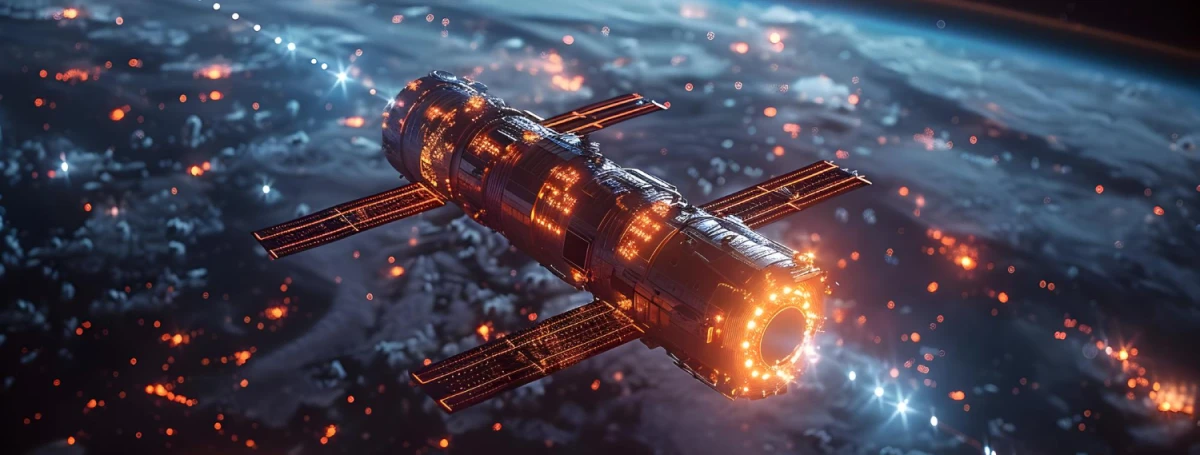
    In a world that’s more connected than ever, data security is no longer just a concern—it’s a necessity. From online banking and healthcare systems to government intelligence networks, the data flowing across global communication channels is a prized target for hackers. Traditional encryption methods have served us well for decades, but with the rise of quantum computing, they’re on the verge of becoming obsolete.

    Enter Satellite Quantum Key Distribution (QKD)—a revolutionary technology that could redefine how we protect our digital world. Let’s explore how this innovation is shaping the future of secure encryption.

    The Encryption Challenge in the Quantum Era

    Conventional encryption methods, like RSA or AES, rely on mathematical puzzles that are extremely difficult for classical computers to solve. For instance, factoring a 300-digit number could take thousands of years using today’s best machines.

    However, quantum computers are changing the game. They use quantum bits—or qubits—to perform parallel calculations, solving problems in seconds that would take classical computers centuries. This means that encryption based on mathematical complexity could soon be cracked effortlessly.

    That’s where Quantum Key Distribution (QKD) comes in—offering a new way to secure data that’s not based on mathematical assumptions, but on the laws of physics.

    What Is Quantum Key Distribution (QKD)?

    At its core, QKD is a method for securely sharing encryption keys between two parties (commonly referred to as Alice and Bob). The keys are transmitted through quantum particles of light, known as photons.

    Here’s the genius behind it:
    If an eavesdropper (let’s call them Eve) tries to intercept or measure these photons, their quantum state changes instantly. This disturbance alerts Alice and Bob that someone is listening, allowing them to stop communication and start over.

    In simple terms, QKD doesn’t just make hacking difficult—it makes it impossible to go undetected.

    Why Satellites Are the Game Changer

    Early QKD systems relied on fiber-optic cables to transmit photons. While effective over short distances, fiber-based QKD faces a big limitation—signal loss. Photons lose energy as they travel through fibers, restricting their range to just a few hundred kilometers.

    To achieve global coverage, scientists turned their gaze toward the skies. Satellite-based QKD eliminates distance barriers by transmitting photons through the vacuum of space, where there’s minimal signal loss.

    China made history in 2016 with the launch of the Micius satellite, the first quantum science satellite. It successfully demonstrated QKD between ground stations over 1,200 kilometers apart—proving that secure quantum communication is possible on a global scale.

    Today, this breakthrough has inspired a new space race—one not for dominance, but for quantum-secure communication.

    How Satellite QKD Works

    Satellite Quantum Key Distribution works in two main ways:

    1. Uplink/Downlink QKD:
      • The satellite either sends quantum keys to ground stations (downlink) or receives them from Earth (uplink).
      • Once shared, these keys can be used to encrypt sensitive data transmissions.
    2. Inter-Satellite QKD:
      • Multiple satellites can exchange quantum keys with each other in orbit.
      • This creates a global quantum network, enabling secure communication between continents without relying on vulnerable terrestrial systems.

    After the quantum keys are distributed, they can be used to secure traditional internet or radio channels, ensuring a fully encrypted connection from space to Earth.

    The Global Race for Quantum Communication

    Governments and private organizations around the world are investing heavily in Satellite QKD research.

    • China continues to lead with its Micius satellite and its plan to build a national quantum communication network.
    • The European Union is developing the EuroQCI (Quantum Communication Infrastructure) to safeguard sensitive government and corporate data.
    • The United States is funding multiple NASA and DARPA initiatives focused on space-based quantum networks.
    • India, Japan, and Canada are also joining the race, recognizing quantum encryption as a cornerstone of cybersecurity in the coming decades.

    Meanwhile, private companies like Toshiba, ID Quantique, and Arqit are developing commercial QKD systems that will soon protect financial transactions, cloud systems, and defense communications.

    Real-World Applications of Satellite QKD

    The potential uses of Satellite QKD go far beyond cybersecurity. Here’s where it’s making the biggest impact:

    • Banking and Finance: Quantum-secure connections can protect global financial networks and prevent data breaches.
    • Defense and Military: Governments can exchange mission-critical information without the risk of interception.
    • Cloud Computing: QKD ensures that data stored and transferred across cloud networks remains tamper-proof.
    • Internet of Things (IoT): As billions of connected devices exchange data, quantum encryption can safeguard them from sophisticated cyberattacks.

    Essentially, anywhere sensitive data flows, Satellite QKD could become the gold standard of protection.

    Challenges on the Horizon

    While the promise of unhackable communication sounds perfect, Satellite QKD still faces challenges.

    • High Cost: Building and launching satellites equipped with quantum technologies is expensive.
    • Technical Complexity: Atmospheric interference can disrupt photon transmission, requiring precise alignment and advanced optics.
    • Global Standards: Countries and organizations must agree on common quantum encryption protocols for seamless global communication.

    However, ongoing research and innovation are rapidly addressing these obstacles. With better photon detectors, miniaturized satellite technology, and hybrid systems that combine quantum and classical methods, Satellite QKD is moving from experimental to practical.

    The Future of Secure Encryption

    We’re standing at the edge of a new era in cybersecurity. As quantum computers grow more powerful, the need for quantum-safe encryption becomes urgent. Satellite QKD offers a solution that doesn’t rely on algorithms but on the unbreakable principles of quantum physics.

    In the next decade, we can expect the rise of a quantum internet—a global network where every bit of information, from financial transactions to government communications, is protected by quantum keys beamed down from space.

    The future of encryption, quite literally, lies among the stars.

    Final Thoughts

    Satellite Quantum Key Distribution represents more than just technological progress—it symbolizes a future where privacy and security are no longer at the mercy of hackers or machines. By combining the mysteries of quantum physics with the vastness of space, we’re building a communication system that could keep humanity’s most valuable asset—information—truly safe.

  • Check Out These 15 Sculptures That Go Beyond Art

    Check Out These 15 Sculptures That Go Beyond Art

    Art has always been humanity’s way of expressing emotions, ideas, and stories. But some artists push the boundaries so far that their work transcends art itself—it becomes an experience. These sculptures aren’t just carved stone or molded metal; they’re living, breathing creations that challenge perception, defy gravity, and stir the soul.

    From futuristic designs that move with the wind to emotional masterpieces that glow with inner light, here are 15 sculptures that go beyond art—each one redefining what creativity truly means.

    1. The Kinetic Sculpture – Germany

    Located at Munich Airport, this mesmerizing installation features 714 metal spheres that gracefully move through the air in choreographed motion. Designed by ART+COM, the Kinetic Sculpture represents the beauty of movement, innovation, and precision engineering—showing that art can literally come to life.

    2. Expansion by Paige Bradley – New York, USA

    This breathtaking bronze sculpture depicts a woman sitting cross-legged, her body cracked open with light bursting through. Paige Bradley’s Expansion is more than just a sculpture—it’s a symbol of breaking free from limitations, discovering one’s inner light, and embracing vulnerability.

    3. Les Voyageurs by Bruno Catalano – France

    In this series, human figures appear to be missing large portions of their bodies, yet they stand tall, carrying suitcases. Bruno Catalano’s Les Voyageurs portrays the sense of incompleteness and longing that often accompanies travel and displacement—a hauntingly beautiful reflection on identity and belonging.

    4. Mustangs of Las Colinas – Texas, USA

    Charging through a stream in full gallop, these nine bronze mustangs embody the untamed spirit of the American West. Robert Glen’s Mustangs of Las Colinas captures power, motion, and freedom, making it one of the largest and most dynamic equestrian sculptures in the world.

    5. The Singing Ringing Tree – England

    Set atop the windy hills of Lancashire, this wind-powered sculpture produces ghostly, melodic tones as air passes through its metal pipes. The Singing Ringing Tree is not just something to look at—it’s something to hear, blending art, architecture, and the raw forces of nature into one enchanting masterpiece.

    6. The Floating Stone – Cairo, Egypt

    Imagine a massive granite sphere that appears to be hovering above water—completely defying gravity. The Floating Stone achieves this illusion through a hidden system of water pressure that keeps the sphere spinning and balanced. It’s an elegant fusion of science and artistry.

    7. The Awakening – Maryland, USA

    Rising from the ground as if emerging from the earth itself, J. Seward Johnson’s The Awakening depicts a giant man breaking free from the soil. This 70-foot installation is both powerful and eerie, representing rebirth, struggle, and the unstoppable force of human spirit.

    8. Wire Fairy by Robin Wight – United Kingdom

    Robin Wight’s Wire Fairy Sculptures capture fairies mid-dance, their delicate wings and flowing poses crafted entirely from stainless steel wire. These whimsical creations sparkle under sunlight and sway gently in the wind, blending fantasy with the natural world in perfect harmony.

    9. Expansion of the Universe – Singapore

    This public art piece features interconnected metallic spheres spiraling outward, symbolizing cosmic growth and unity. The Expansion of the Universe reminds us that everything—from galaxies to human connections—is linked by invisible threads of energy and purpose.

    10. The Veiled Christ by Giuseppe Sanmartino – Italy

    Carved from marble in 1753, the Veiled Christ looks impossibly real. The delicate veil appears soft and transparent, revealing the lifelike figure beneath. Sanmartino’s craftsmanship defies belief, proving that true genius lies in turning stone into emotion.

    11. Walking to the Sky by Jonathan Borofsky – USA

    A group of people appears to be walking up a tall pole toward the clouds. Jonathan Borofsky’s Walking to the Sky symbolizes human ambition and our eternal drive to reach higher. It’s a visual metaphor for hope, determination, and endless possibility.

    12. The Force of Nature by Lorenzo Quinn – Worldwide

    Lorenzo Quinn’s The Force of Nature shows Mother Nature swinging the Earth around with dramatic motion. The sculpture reminds us of nature’s power—and our fragile place within it. Installed in several cities worldwide, it’s both a warning and a tribute to the forces that shape our planet.

    13. Transcendence by Keith Jellum – Oregon, USA

    Imagine a giant salmon swimming through the side of a building. Keith Jellum’s Transcendence blurs the line between urban life and the natural world, creating a playful yet profound statement about resilience, freedom, and survival against all odds.

    14. Cloud Gate by Anish Kapoor – Chicago, USA

    Nicknamed “The Bean,” Cloud Gate is a massive stainless-steel sculpture that mirrors Chicago’s skyline and the people around it. Visitors can walk beneath it, interact with their reflections, and experience a distorted yet mesmerizing view of the city. It’s art that invites participation and reflection—literally.

    15. LOVE Sculpture by Robert Indiana – USA

    Simple yet iconic, Robert Indiana’s LOVE sculpture—with its bold red letters and tilted “O”—has become a universal symbol of affection and connection. Since the 1960s, it’s been recreated around the world, reminding everyone that love is timeless and borderless.

    The Art That Transcends

    These sculptures are more than artistic displays—they’re moments of emotion, innovation, and thought frozen in time. Each one tells a story, inviting you to pause, reflect, and feel something deeper.

    From the glowing cracks of Expansion to the singing pipes of The Ringing Tree, these works prove that art isn’t confined to galleries—it lives in cities, parks, and even the air around us.

    They remind us that art is not about what you see; it’s about what you feel.

    Final Thoughts

    These 15 sculptures go beyond visual beauty—they embody ideas, emotions, and possibilities. Whether it’s an illusion that defies physics or a piece that speaks to the heart, each sculpture stands as proof that creativity knows no limits.

    Next time you encounter a sculpture, take a moment to look beyond its shape or size—you might just discover an entire world carved within.

  • 10 Strange Places Around the World Where Water Mysteriously Disappears

    10 Strange Places Around the World Where Water Mysteriously Disappears

    Water, the lifeblood of our planet, is supposed to be constant — it flows, collects, and cycles endlessly. But what if it suddenly vanishes? Across the world, there are places where water seems to defy logic, disappearing into the ground, evaporating without a trace, or reappearing miles away. These baffling natural wonders blur the line between science and mystery. Let’s explore ten of the most bizarre places on Earth where water literally disappears before your eyes.


    1. Lost Lake, Oregon (USA)

    In the Cascade Mountains of Oregon lies Lost Lake, a picturesque body of water that lives up to its name. Each year, during spring, the lake fills with rain and snowmelt — only to vanish completely by summer. The secret lies in ancient lava tubes beneath the lakebed, which act like massive drains. The water seeps into the porous volcanic rock, disappearing underground until the next rainy season refills it. Scientists call it a perfect example of nature’s plumbing, while locals simply call it Oregon’s “bottomless lake.”


    2. Lake Beloye, Russia

    In 2005, residents near Lake Beloye in Russia were stunned when the lake suddenly began to shrink — and within days, it was almost gone. The cause? Geologists believe the lakebed collapsed into an underground cavern, sucking all the water below the surface. What’s left is a haunting landscape of cracked earth and mystery. Though experts blame sinkholes, locals tell eerie tales of the lake being “swallowed by the earth” as punishment from ancient spirits.


    3. Río Atoyac, Mexico

    The Río Atoyac in Veracruz once flowed freely — until, one night in 2017, it vanished. A massive sinkhole opened beneath the river, causing the entire watercourse to disappear into the ground. The event shocked locals, leaving behind a dry riverbed and questions about the cause. Scientists discovered that a combination of natural erosion and human-made damage to underground pipelines created the collapse. Today, the area remains a stark reminder of how fragile nature’s balance can be.


    4. Lake Balkhash, Kazakhstan

    Lake Balkhash is one of Asia’s largest lakes, but it’s also one of its strangest. One half contains fresh water, the other half salt water — and large sections of it are disappearing. The culprit? Climate change and overuse by nearby industries. What makes it even more puzzling is how rapidly it fluctuates: sometimes vast stretches vanish, leaving dry patches where boats once floated. For scientists, it’s a mystery of geology and environmental decline; for locals, it’s a vanishing landmark.


    5. Lake Sarez, Tajikistan

    Hidden deep in the Pamir Mountains lies Lake Sarez, formed by an earthquake in 1911. Though fed by glaciers, the lake never overflows — instead, the water mysteriously seeps away. Experts believe it drains through unseen underground tunnels beneath the mountains. Its stable level, despite heavy inflow, has baffled scientists for decades. Locals, however, believe the lake is guarded by mountain spirits that decide when water should rise or fall.


    6. Devil’s Kettle, Minnesota (USA)

    Few places capture curiosity like Devil’s Kettle in Minnesota’s Judge C.R. Magney State Park. Here, the Brule River splits into two streams: one cascades down a waterfall as expected, but the other flows straight into a deep hole — and vanishes. For years, researchers dropped dye, ping-pong balls, and even logs into the hole, but none were ever found downstream. Recent studies suggest the missing water likely rejoins the river underground, but the mystery still lingers, making Devil’s Kettle a bucket-list stop for the curious.


    7. Bimmah Sinkhole, Oman

    In the desert of Oman, a turquoise pool known as the Bimmah Sinkhole attracts both tourists and myths. It looks like a crater filled with crystal-clear water, but the level constantly changes — sometimes dropping or rising without warning. Scientists say it connects to the sea via hidden underground tunnels, while locals long believed it was formed by a meteor or a supernatural event. Today, it’s a beautiful yet eerie reminder of the unseen world beneath our feet.


    8. The Vanishing River, Venezuela

    In Venezuela’s Gran Sabana region, a mysterious river appears during the rainy season, only to vanish completely when the dry months arrive. The water seeps through porous sandstone and reemerges elsewhere as hidden springs. What’s astonishing is that the river’s path seems to change every few years, likely due to shifting tectonic plates. For explorers, it’s one of South America’s most puzzling natural wonders — a river that refuses to stay in one place.


    9. The Disappearing Springs of Samothraki, Greece

    On the island of Samothraki, locals rely on fresh mountain springs for water — but every few years, the springs mysteriously dry up overnight. Then, just as suddenly, they return. Geologists believe underground channels shift over time, redirecting the water flow. But locals have a more mythical explanation: they say the ancient gods of Samothraki move the waters as they please, blessing or testing the island’s inhabitants.


    10. The Boiling Lake, Dominica

    In the Caribbean island of Dominica, the Boiling Lake lives up to its name — it’s a massive, steaming cauldron of bubbling gray water heated by volcanic gases. But what makes it even more mysterious is that the lake occasionally drains and refills within days. Scientists think fissures below the surface allow water to escape into magma chambers before pressure builds up and pushes it back. Watching it vanish and return feels like witnessing the heartbeat of the Earth itself.


    The Science Behind the Disappearances

    So, why do these vanishings occur? In most cases, it’s due to geological processes — porous rocks, lava tubes, sinkholes, and underground rivers. Sometimes, human interference and climate shifts accelerate these effects. But even with modern science, there’s something hauntingly beautiful about watching nature defy its own rules.


    Final Thoughts

    From Oregon’s disappearing lake to Dominica’s “breathing” crater, these bizarre places remind us how dynamic and unpredictable our planet really is. Water — so familiar, so vital — can still astonish us by doing the unthinkable: disappearing without a trace.

    Next time you visit a tranquil lake or flowing river, take a closer look. Somewhere deep below, the Earth might be preparing to make it vanish — just to remind us who’s truly in charge.